October 16, 2026
Scar formation is a natural and necessary part of the body healing process following any surgical incision. When skilled plastic surgeons cut through the skin, the body responds by producing collagen fibers to repair the damage. In the initial weeks, this new tissue is often raised, firm, and reddish as blood vessels surge to the site to support recovery. Over time, the body remodels this collagen matrix, gradually softening the texture and fading the color to blend in with surrounding skin.
While every person heals at a different rate, the final appearance of a surgical scar depends on multiple factors, including genetic predisposition, age, skin tone, and incision location. Natural tension along skin lines can also influence whether a mark stays thin and flat or stretches over time. Understanding that scar maturation is a long process lasting anywhere from twelve to eighteen months helps patients set realistic expectations as their body heals.
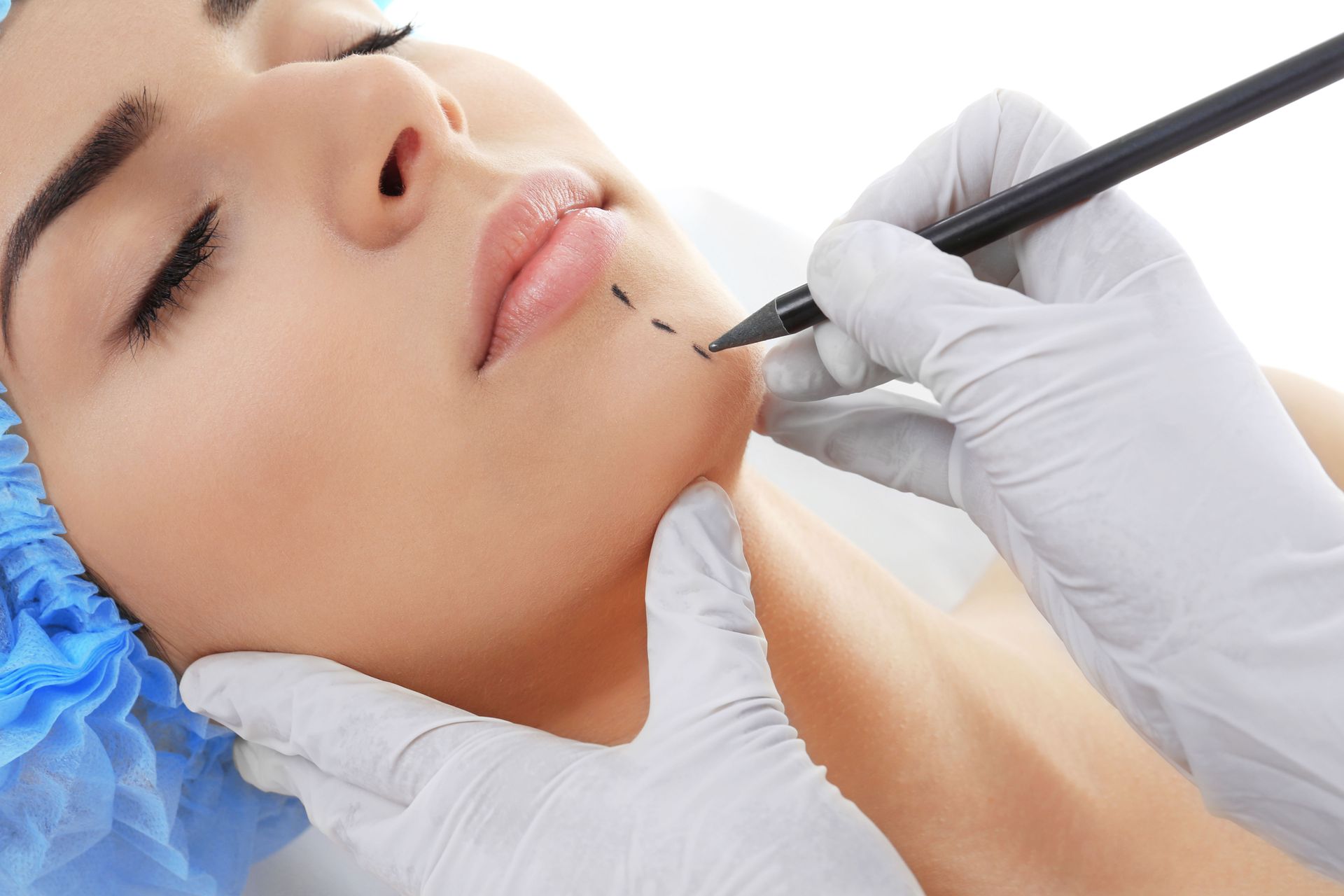
Proper surgical technique plays a crucial role in laying the foundation for minimal scarring. Board-certified plastic surgeons plan incisions within natural skin creases or concealed areas whenever possible and uses precise layering techniques to relieve surface tension on the skin. However, once the operation is complete, proactive post-operative care becomes the primary driver in guiding how smoothly the healing tissue settles.
Evaluating Topical Treatments That Deliver Results
The market is filled with topical creams, gels, and home remedies claiming to erase surgical scars, but only a few options are supported by strong clinical evidence. Knowing which products actually work saves both time and money during your recovery journey.
Topical silicone gels and silicone gel sheets are widely considered the gold standard in non-invasive scar management because they hydrate the tissue, create a protective barrier, and regulate collagen production to help flatten elevated tissue and reduce redness. Broad-spectrum sunscreens with SPF 30 or higher prevent hyperpigmentation caused by UV exposure, while gentle moisturizers like plain petroleum jelly maintain a clean barrier during early wound closure. Vitamin-rich oils can also be applied for gentle scar massage once the wound has fully closed.
Conversely, many popular home remedies do not deliver their promised benefits. Applying raw vitamin E capsules directly to open or fresh wounds can cause allergic contact dermatitis and may actually worsen the final appearance. Similarly, aggressive scrubbing or using harsh lemon juice concoctions irritates delicate tissue and prolongs the inflammation phase.
Implementing Proactive Post-Operative Care Strategies
Managing scars effectively starts long before topical products are applied. Adhering to structured post-care guidelines minimizes unnecessary tension, inflammation, and infection risk during the initial healing phase.
Key practices for supporting optimal scar development include following all wound hygiene instructions carefully to prevent infections that disrupt orderly healing, avoiding smoking and nicotine products that constrict blood flow and impair cellular repair, refraining from heavy lifting or strenuous activity that puts physical tension on fresh incisions, performing gentle scar massage as directed by your care team to break up dense internal collagen bundles, and staying thoroughly hydrated with a nutrient-dense diet rich in vitamin C and zinc.
Physical tension on a healing incision is one of the primary reasons scars widen or become raised. By protecting the area from premature stretching and keeping the skin well-hydrated, you create the best possible environment for thin, faint scar formation.
Routine check-ins with your care team ensure that your healing trajectory is monitored closely. If an incision shows signs of excessive tightness or unusual thickening, plastic surgeons can recommend early targeted interventions to guide the scar back on track.
Recognizing Abnormal Scar Development and Complications
While most surgical marks flatten and fade predictably, some individuals develop abnormal scar tissue that requires specialized medical attention. Identifying the difference between normal healing and abnormal scar growth helps you seek appropriate care early.
Abnormal scar development primarily includes hypertrophic scars, which are raised, red, and firm but remain within the boundaries of the original incision, and keloid scars, which grow aggressively beyond the original wound edges and can be itchy or painful.
Hypertrophic scars are caused by an overproduction of collagen during the active inflammatory response. They often appear within the first few months after surgery and may gradually improve over time with non-invasive therapies like silicone sheets or compression garments.
Keloids represent a more severe disruption in the healing process where collagen continues to accumulate unchecked. They are more common in darker skin tones and frequently require medical treatments such as corticosteroid injections or laser therapy to control growth. If a scar remains raised, dark red, or increasingly painful past the three-month mark, consulting your surgeon is essential.
Navigating Surgical Revisions for Unfavorable Scars
When non-invasive treatments, topical gels, and physical therapies are not enough to achieve a satisfactory outcome, surgical scar revision offers a secondary option. Surgical revisions aim to reposition, narrow, or release tight scar tissue so it blends more naturally with surrounding skin structures.
Unfavorable healing is not limited to body procedures; complex facial operations also require high technical skill to avoid long-term structural or cosmetic issues. According to the AAFPRS, approximately 80% of its members indicate that more than 10% of their rhinoplasty patients are seeking a revision of a past surgery. This statistic highlights how intricate healing can be and why specialized surgical planning is so vital when refining delicate tissue.
Before undergoing a scar revision or secondary procedure, the original scar must be fully matured, which generally means waiting at least one full year after the initial operation. Operating too early on active, inflamed tissue increases the risk of repeating the same poor healing patterns. A thorough evaluation by experienced plastic surgeons helps determine whether surgical excision, z-plasty tension release, or non-surgical resurfacing will produce the best aesthetic result.
Exploring Advanced In-Office Scar Treatments
For scars that are fully closed but still show texture irregularities, discoloration, or mild height differences, modern cosmetic medicine offers several effective in-office treatments. These procedures work by gently remodeling old collagen or breaking down excess pigment without requiring major surgery.
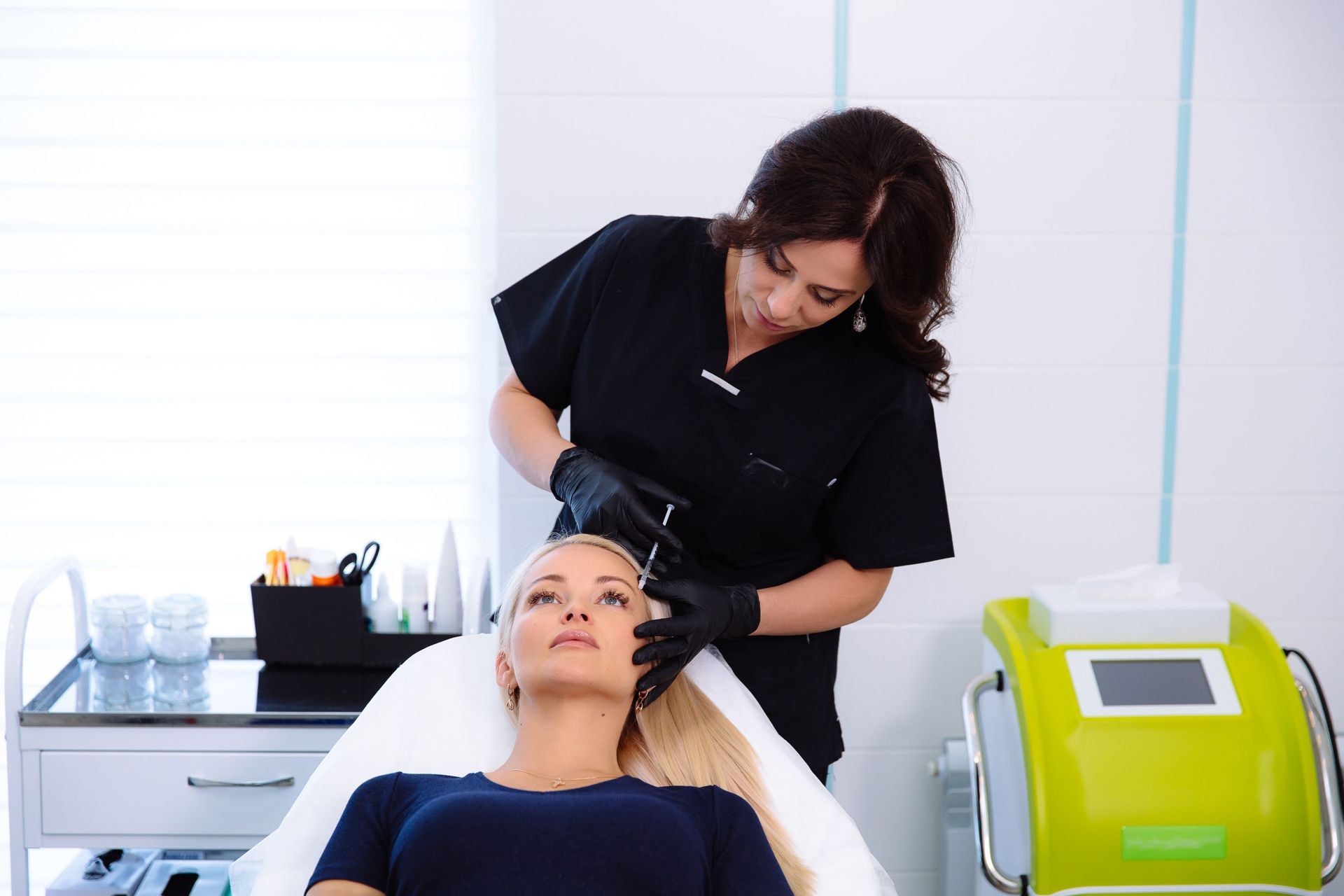
Common in-office therapies include corticosteroid injections to flatten raised hypertrophic or keloid scars, fractional laser resurfacing to stimulate fresh collagen and smooth uneven surface texture, Intense Pulsed Light (IPL) therapy to target lingering redness, microneedling to break up dense tissue, and dermal fillers to temporarily lift pitted or depressed surgical scars to match the surrounding skin.
Combining these treatments often yields the best results. For example, a series of steroid injections can flatten a raised scar, followed by laser sessions to blend the color and texture with nearby skin.
Choosing the right combination of therapies depends entirely on the unique characteristics of your scar and your overall skin type. Consulting board-certified plastic surgeons ensures that every treatment plan is tailored specifically to your needs for safe, effective results.
Partnering with Skilled Professionals for Optimal Results
Achieving beautiful, discreet surgical results requires a combination of expert surgical precision and patient commitment to long-term post-operative care. Understanding how your body heals empowers you to take proactive steps, choose proven treatments, and recognize when professional guidance is needed. If you are preparing for a procedure or feel unhappy with how a past surgical scar has matured, trust the experienced plastic surgeons at Flannagan Plastic Surgery to help you achieve smooth, natural-looking results. Contact Flannagan Plastic Surgery today to schedule your personalized consultation and explore your options for scar management and aesthetic refinement.